

Juvenile Arrests in California: What Parents Need to Know
Juvenile Arrests in California: What Parents Need to Know
Learning that your child has been arrested can be frightening and confusing. Parents often have immediate questions: Where is my child being held? Can I bring them home? Do I need to post bail? When will they see a judge?
The process for juvenile arrests in California is different from the adult criminal justice system. Juvenile cases generally focus on detention and release decisions rather than traditional monetary bail and bail bonds.
If your child has been arrested in Los Angeles County, understanding these differences can help you know what to expect next.
What Happens When a Juvenile Is Arrested?
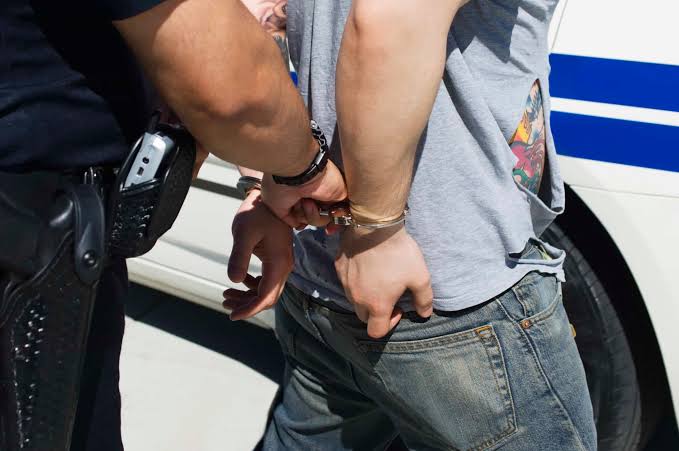
After a minor is taken into custody, law enforcement determines what should happen next based on the alleged offense and circumstances.
Depending on the case, the minor may:
- Be released to a parent or guardian
- Be referred to a probation officer
- Be taken to an appropriate juvenile detention facility
- Remain detained while waiting for juvenile court proceedings
Factors such as the seriousness of the alleged offense, the minor's previous history, and safety concerns may affect what happens after the arrest.
Can Parents Pick Up a Juvenile After an Arrest?
In some cases, a minor may be released to a parent or legal guardian rather than remaining in detention.
However, release is not automatic.
Authorities may consider factors such as:
- The alleged offense
- The minor's age
- Previous juvenile history
- Risk of failing to appear
- Safety of the minor or others
- Home environment
- Whether adequate supervision is available
Parents may also receive instructions regarding future court appearances or contact with the probation department.
Is Bail Available for Juveniles in California?
One of the biggest differences between adult and juvenile cases is the role of bail.
In California juvenile delinquency proceedings, minors generally do not have the same monetary bail system available to adults. This means parents usually cannot simply contact a bail bond company, purchase a bond, and secure the minor's release.
Instead, the juvenile court determines whether continued detention is appropriate.
This is why families dealing with a juvenile arrest should understand that the normal adult bail process may not apply.
Where Is a Juvenile Held After an Arrest?
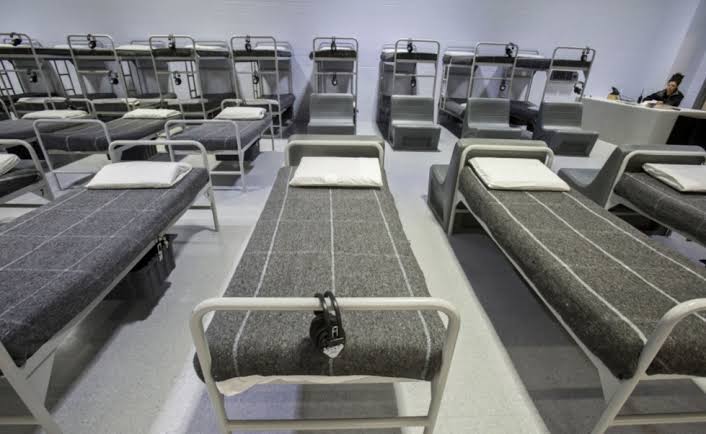
If a minor is not immediately released, they may be taken to a juvenile detention facility rather than an adult jail.
Where the juvenile is held depends on factors such as:
- Age
- Arresting agency
- Alleged offense
- Location of the arrest
- Detention status
Parents who do not know where their child was taken should begin by contacting the arresting agency and gathering the minor's identifying and arrest information.
What Is a Juvenile Detention Hearing?
When a juvenile remains in custody, the court must address whether continued detention is appropriate.
At a detention hearing, the juvenile court may consider the allegations and circumstances surrounding the case and determine whether the minor should remain detained or can be released under appropriate conditions.
This hearing serves a different purpose from simply setting monetary bail in an adult criminal case.
What Happens If the Juvenile Is Released?
A juvenile released to a parent or guardian may still have conditions that must be followed while the case is pending.
Depending on the circumstances, these may involve:
- Attending all required court hearings
- Following parental supervision
- Attending school
- Avoiding certain people or locations
- Following probation-related instructions
- Complying with other court-ordered conditions
Parents should carefully review all paperwork provided after release and keep track of every required court date.
What Happens in Juvenile Court?
California's juvenile delinquency system differs from adult criminal court in several important ways.
Depending on the allegations and the minor's circumstances, the process may include:
- Probation department review
- Detention hearings
- Filing of a juvenile court petition
- Hearings concerning the allegations
- Court-ordered supervision, services, or other dispositions
The exact process varies considerably depending on the alleged offense and the minor's history.
Can a Juvenile Ever Be Prosecuted in Adult Court?
In certain serious cases involving older juveniles, California law provides procedures through which a case may be transferred to adult criminal court.
This does not happen automatically simply because the alleged offense is a felony. A transfer requires the procedures and findings required by California law.
If a juvenile case may involve adult prosecution, obtaining legal representation familiar with California juvenile law is particularly important.
Do Juveniles Need an Attorney?
Juvenile cases can carry serious consequences, even though the process differs from adult criminal court.
A juvenile defense attorney can help families understand:
- The allegations
- Detention and release procedures
- The minor's legal rights
- Upcoming hearings
- Possible outcomes
- Court-ordered conditions
- Whether adult court proceedings could become an issue
A bail bond agent cannot replace an attorney or determine whether a juvenile should be released.
What Should Parents Do After a Juvenile Arrest?
If your child has been arrested, start by gathering as much accurate information as possible.
Try to determine:
- Which law enforcement agency made the arrest
- Where your child is currently located
- What offense is alleged
- Whether your child has been released or detained
- When the next hearing will occur
- Who has been appointed or retained as legal counsel
Avoid assuming that the adult bail process applies to your child's case.
Juvenile Arrest vs. Adult Arrest: Why the Difference Matters
When an adult is arrested, monetary bail or a bail bond may sometimes provide a path to pretrial release.
Juvenile delinquency cases generally operate differently. Release decisions focus on whether the minor should remain detained or can safely return to a parent or guardian under appropriate conditions.
Understanding this difference can prevent families from wasting valuable time searching for a bail bond when the juvenile court process—not monetary bail—controls the minor's release.
Have Questions After an Arrest?
Juvenile arrests generally do not follow California's traditional bail bond process. Families should contact the appropriate juvenile authorities and a qualified juvenile defense attorney to understand detention and release options.
If an adult family member has also been arrested in connection with an incident and monetary bail is available, our experienced bail agents are available 24/7 to explain the bail bond process and assist with eligible releases.

need help?
Our pre-trail release expertsare available 24/7 and areready to help secure yourfreedom.
Call us nowLearn more about best california bail bonds




Have questions?
Our pre-trail release experts are available 24/7 and are ready to help secure your freedom.